

Movement Matters: How Little Big People Nurture Growth Through Dance
Movement shapes more than just your child’s body; it sparks growth in their mind and confidence, too. At Little Big People Early Learning in Durack, every dance step and playful jump builds skills that last a lifetime. Learn how our approach to physical education and dance supports your child’s development in ways you might not expect. Visit us at https://www.littlebigpeople.com.au/ to learn more about our programs.
Why Movement Matters
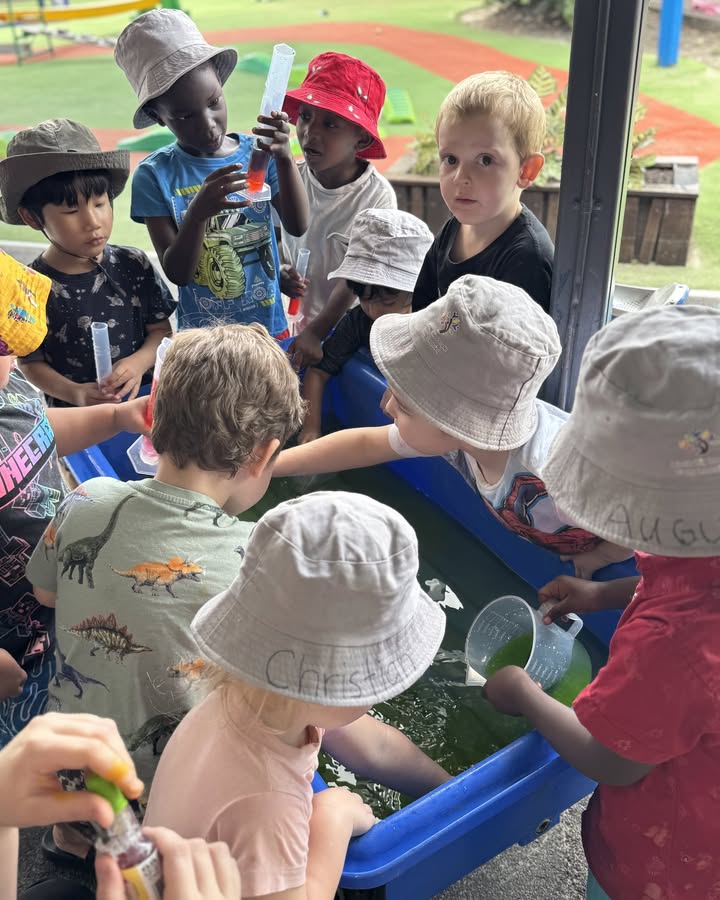
Children express themselves through motion long before they master words. From those first kicks as babies to the joyful runs across the playground, movement forms the backbone of how kids learn about their world and themselves.
Building Strong Foundations
Physical movement creates the framework for all future learning. When your child jumps, spins, or balances, they’re not just playing; they’re building brain connections that support reading and math skills later on.
Did you know that crawling helps babies develop eye tracking skills needed for reading? Or that skipping activates both sides of the brain at once? These simple movements prepare your child’s brain for classroom success.
Research shows that children who engage in regular physical play score better on tests of attention and memory. This happens because movement increases blood flow to the brain, helping form stronger neural pathways during these critical early years.
Your child’s confidence also grows through movement. Mastering a new physical skill, whether it’s catching a ball or learning a simple dance step, gives kids concrete proof they can overcome challenges.
The Role of Physical Activity
Daily movement does more than build muscles; it shapes your child’s entire development. Physical play helps kids understand spatial concepts like “under,” “over,” and “through” that form the building blocks of math and science thinking.
When children move their bodies, they learn to control their impulses too. Running until they’re out of breath teaches kids about their physical limits. Waiting for a turn on the slide builds patience. These experiences translate directly to better behaviour in the classroom.
The Australian health guidelines recommend three hours of physical activity spread throughout the day for young children. This isn’t just about preventing future health problems; it’s about building better brains right now.
Most parents don’t realise that movement even affects language development. When kids play physically with others, they naturally practice communication skills as they negotiate rules, take turns, and express ideas.
Dance and Development
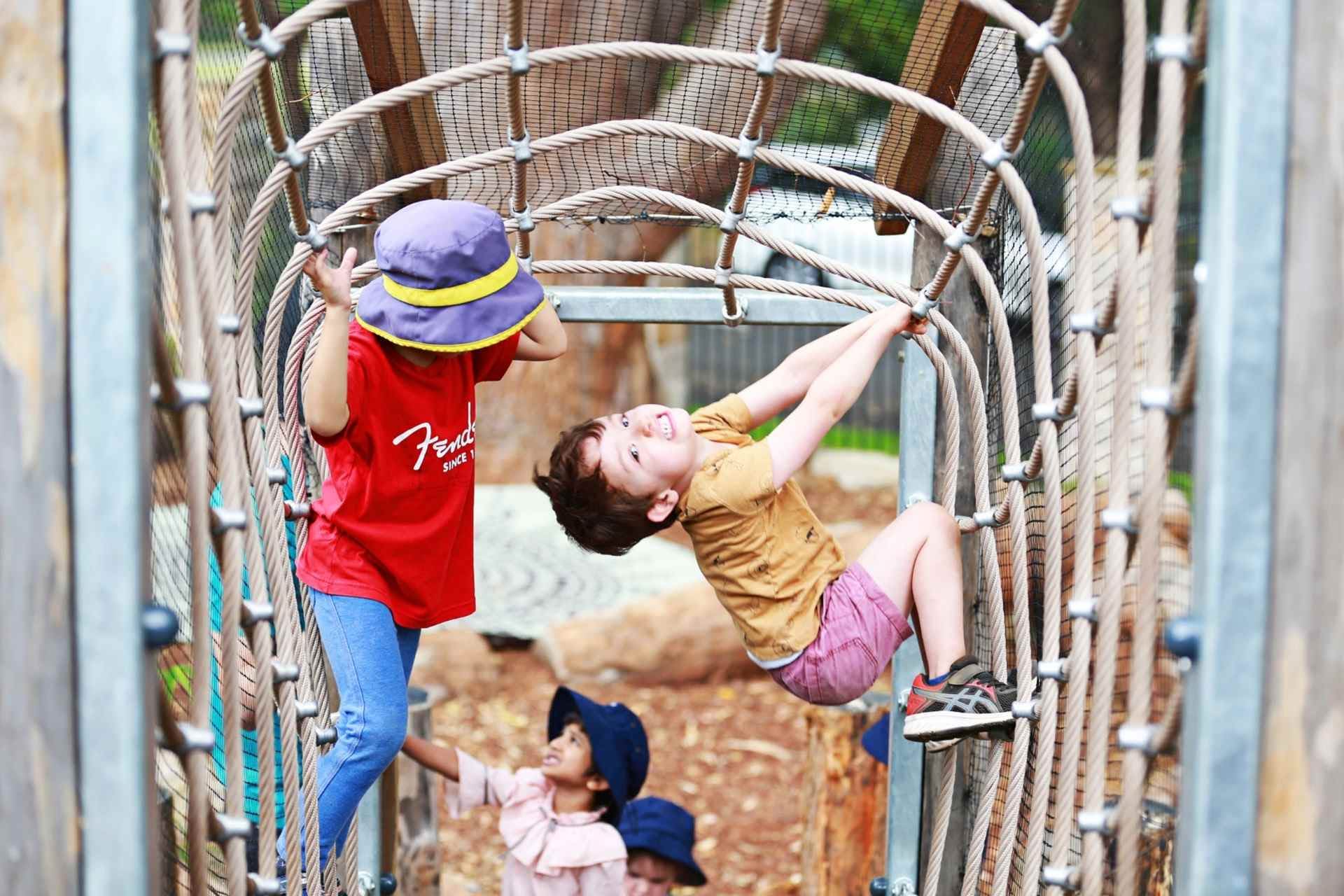
For young children, it’s a natural way to explore their bodies and emotions while developing crucial skills that benefit every area of learning.
Boosting Cognitive Growth
Dance challenges your child’s brain in unique ways. Learning dance steps builds memory skills as children remember sequences and patterns, the same mental processes used in math and reading.
When your child follows dance instructions, they practice listening skills and translating words into actions. This connection between language and movement strengthens neural pathways that support literacy development.
Dance also teaches spatial awareness, understanding where your body is in relation to others. This skill transfers directly to math concepts like geometry and measurement. Children who dance regularly often show stronger spatial reasoning abilities.
Many parents focus only on seated learning activities, but movement-based learning often sticks better. When children learn concepts through dance and movement, they engage multiple senses, creating stronger, more lasting memories.
Emotional and Social Benefits
Dance gives children a powerful way to express feelings they can’t yet put into words. For many kids, moving to music provides emotional release and comfort during times of stress or big feelings.
Through group dances, your child learns to coordinate their movements with others, a physical lesson in cooperation that builds social skills. They practice reading social cues, taking turns, and working together toward shared goals.
Children who struggle with verbal expression often shine in movement activities. Dance creates an alternate pathway for communication and connection, helping quieter children build confidence in group settings.
The joy of dance also teaches children that learning can be fun and engaging. This positive association with learning creates motivation that extends to other areas of education.
Movement at Little Big People
Our approach integrates purposeful movement throughout the day. We don’t see physical activity as separate from “learning time”—it’s woven into everything we do.
Age-Appropriate Activities
For our youngest friends, we focus on tummy time, reaching for objects, and crawling through simple obstacle courses. These activities build core strength and coordination that form the foundation for all future movements.
Toddlers at our centre enjoy music and movement sessions where they stomp like elephants, fly like birds, and wiggle like worms. These imaginative movements help them connect ideas with physical actions while building vocabulary.
Our preschoolers participate in more structured movement games that teach concepts like counting, colours, and shapes. We might hop five times while counting, or form our bodies into different letter shapes.
Kindergarten children engage in simple group dances that prepare them for school. These activities build listening skills, the ability to follow multi-step directions, and the confidence to try new things.
Encouraging Home Practices
You don’t need special equipment to keep the movement going at home. Turn on music during cleanup time and challenge your child to “dance the toys away” before the song ends.
Create an obstacle course using couch cushions, pillows, and tables. Ask your child to crawl under, climb over, and balance across different objects; they’ll build physical skills while having fun.
Family dance parties make wonderful evening rituals. Take turns being the “dance leader” and copy each other’s movements. This builds your child’s confidence while creating joyful family memories.
Weather keeping you inside? Play “movement bingo” by writing different actions on paper slips (hop 10 times, crawl like a bear, spin in circles). Draw actions randomly and perform them together.
The skills your child builds through movement today will serve them throughout life. By making physical activity a natural, joyful part of each day, you’re setting them up for success in school and beyond.
Helpful Resources
For more information about physical activity and movement in early childhood:
-
Australian Government Department of Health – Physical Activity Guidelines for Infants, Toddlers and Preschoolers (Birth to 5 Years)
-
State Library of Queensland – Benefits of Dance for Early Literacy and Development
-
YMCA Victoria – How Music and Dance Can Help Your Child’s Development
-
Edge Early Learning – Benefits of Dance in Early Childhood
-
Heritage House Childcare – How Dance Impacts Early Childhood Development
-
Care for Kids – The Magic of Dance in Early Childhood
At Little Big People Early Learning, where play builds brighter futures. Our passionate educators guide each child’s unique journey, creating meaningful learning through play, exploration, and movement. Visit us at 56 Durella Street, Durack, QLD 4077, or book a tour today at www.littlebigpeople.com.au