
Cultivating Cultural Awareness Through Food at Little Big People
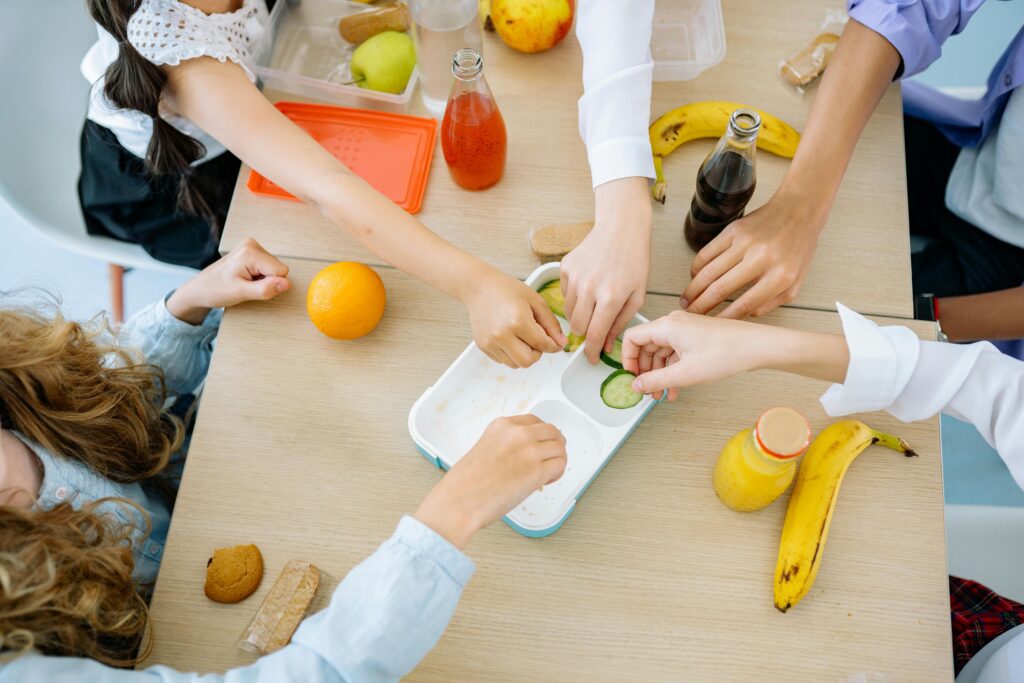
Most kids start picky eating early, missing out on flavours that build healthy habits and cultural understanding. At Little Big People in Durack, our multicultural food education invites children to explore tastes from around the world, sparking curiosity and respect for diversity. This February, watch how early childhood food exploration shapes more than just plates—it shapes open minds and adventurous eaters.
Food as a Gateway to Culture
Tasting the World at Little Big People
Our February food program at Little Big People Early Learning in Durack brings the world to your child’s plate. Through carefully planned activities, children sample and create dishes from different cultures, learning that food tells stories about people, places and traditions.
The early years are crucial for developing food preferences. Australian research shows that children form lasting eating habits before age five. By introducing diverse foods early, we help children become open-minded eaters who appreciate different cultures.
Why Food Education Matters in Early Years
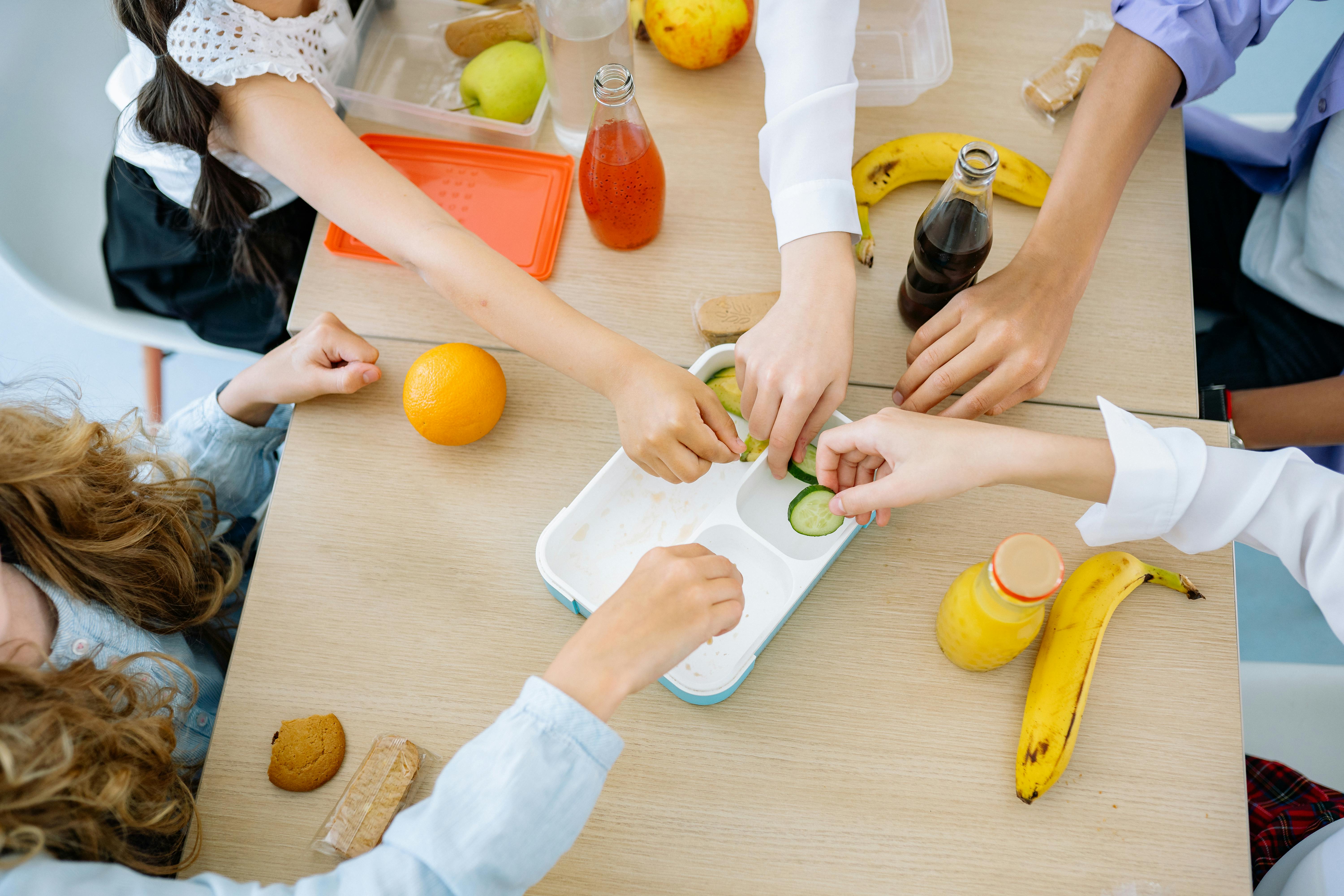
Where taste buds travel the world – multicultural food exploration in Brisbane’s west.
Building Healthy Relationships with Food
The Early Years Learning Framework recognises that food education goes beyond nutrition. When children learn about foods from around the world, they:
-
Develop broader palates and try more vegetables
-
Build cultural awareness and respect for differences
-
Learn important concepts about where food comes from
-
Practice social skills during shared meal experiences
Cultural Understanding Through Taste
Food is a natural conversation starter about cultural diversity. When children make sushi, roll tortillas or prepare tzatziki, they ask questions about different countries and traditions. These discussions plant seeds of cultural awareness that grow throughout life.
Our February Food Adventures
Around the World in 28 Days
Each week, we explore a different culinary tradition:
Week 1: Asian Flavours
-
Spring rolls and rice paper wrapping
-
Sushi making with simple ingredients
-
Asian fruits like dragon fruit and mango
-
Learning to use chopsticks (for older children)
Week 2: Mediterranean Delights
-
Greek yoghurt dips with fresh vegetables
-
Italian pasta exploration
-
Fresh herbs and olive oil tasting
-
Hummus making with chickpeas
Week 3: South American Cuisine
-
Guacamole mashing with avocados
-
Tropical fruit tasting
-
Corn tortilla experiences
-
Colourful salsa creation
Week 4: Pacific and Indigenous Foods
-
Damper making and bush tucker learning
-
Coconut and tropical fruit exploration
-
Learning about native Australian ingredients
-
Connection to local Indigenous food traditions
Age-Appropriate Food Activities
For Babies and Toddlers (6 months-2 years)
-
Safe texture and smell exploration
-
Tasting suitable soft foods from various cultures
-
Visual experiences with colourful ingredients
For Preschoolers (3-5 years)
-
Hands-on food preparation
-
Simple cooking with proper supervision
-
Cultural discussions about food origins
-
Comparing tastes and textures
Safety First
Allergy Awareness and Inclusion
Food safety is our top priority. We follow strict guidelines:
-
Maintain detailed allergy registers for all children
-
Prepare safe alternatives for children with allergies
-
Practice proper food handling and preparation
-
Respect cultural and religious food requirements
Extending Learning to Home
Tips for Raising Adventurous Eaters
You can continue food exploration at home:
-
Involve children in meal preparation
-
Make tasting new foods playful and pressure-free
-
Model trying new foods yourself
-
Offer new foods many times – it often takes 10+ tries
-
Use positive language about food textures and flavours
-
Connect foods to cultural stories and traditions
Brisbane’s Multicultural Food Scene
Durack families can explore:
-
Sunnybank for Asian grocery stores and restaurants
-
Brisbane Markets for diverse fresh produce
-
Local cultural festivals with food stalls
-
Community gardens growing multicultural vegetables
Food as a Learning Tool
Cooking activities naturally teach important skills:
Mathematics
-
Measuring ingredients
-
Counting items
-
Understanding concepts like half and quarter
Science
-
Observing changes during cooking
-
Learning about temperature
-
Exploring properties of different ingredients
Literacy
-
Following recipe instructions
-
Building food vocabulary
-
Creating shopping lists
Join Our Food Adventure
At Little Big People, we believe that early childhood food exploration creates confident, curious eaters who appreciate diversity. Our February feast is just one way we build understanding, skills and cultural respect through everyday experiences.
Visit us at 56 Durella Street, Durack, or call 07 2111 4187 to learn more about our approach to cultural awareness through food.