
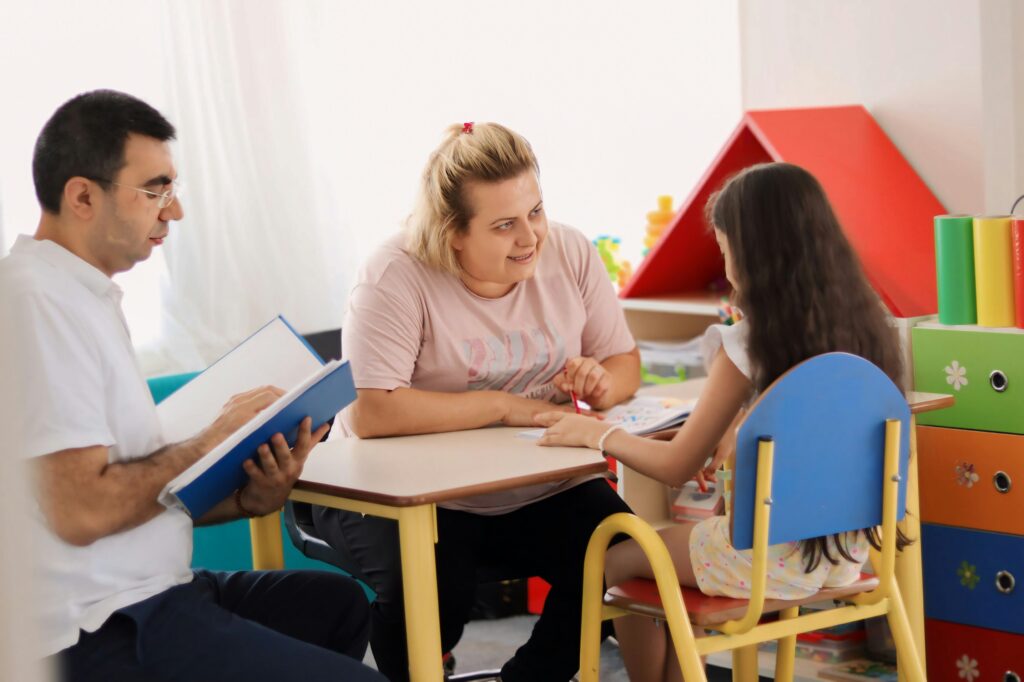
Helping Your Child Transition to School: A Parent-Educator Partnership at Little Big People Early Learning
The first day of prep is marked on your calendar, yet the questions keep piling up: Is my child truly ready? What’s the best way to support them? At Little Big People Early Learning, we’ve seen time and again that when parents and educators join forces, children step into school with confidence and ease. This partnership brings together your deep knowledge of your child and our experience, creating a strong foundation for their next big step. Let’s explore how working together makes all the difference. Learn more about our Queensland Government approved kindergarten program.
Why Partnership Matters

When parents and educators work as a team, children thrive. This connection creates a bridge between home and early learning, giving your child the best chance for a smooth school transition.
Consistency Between Home and School
Children learn best when they receive the same messages across all settings. This alignment is powerful.
When we teach children to pack away toys at the centre, and you expect the same at home, they master this skill faster. The rules make sense because they’re the same everywhere.
Think about learning to ride a bike. If one adult holds the seat while another insists you balance alone, you get confused. But when everyone uses the same teaching method, you learn quickly.
This consistency applies to all school-ready skills: managing belongings, following instructions, and solving problems. When we’re on the same page about expectations, your child doesn’t need to figure out different rules for different places.
Most importantly, consistent messages build confidence. Your child knows exactly what’s expected and can meet those expectations with practice. This security is priceless when facing the big school environment.
Holistic Understanding of Your Child
You know aspects of your child we never see, and we observe things that might surprise you. Together, we create a complete picture.
You witness morning struggles, bedtime fears, and weekend adventures. You know how your child acts with grandparents, neighbours, and cousins. This history and family context is vital information we can’t access without you.
Meanwhile, we see your child navigate group dynamics, share resources, and follow classroom routines. We notice how they approach new challenges when you’re not there to help. Sometimes children show different skills and behaviours in different settings.
For example, a child who seems shy at home might take leadership roles at the centre. Another might speak confidently with family but become quiet in group settings. Neither view is wrong – both are real parts of who your child is.
By sharing these observations, we gain deeper insights. “She’s been practising cutting at home” helps us offer the right scissors activities. “He’s struggling with goodbyes this week” allows us to provide extra morning support.
This complete picture helps us tailor our approach to meet your child’s needs truly.
Early Response to Concerns
When we work closely together, small issues don’t become big problems. This early intervention makes all the difference.
Maybe you notice your child struggling to hold a pencil correctly at home. When you mention this, we can immediately incorporate more fine motor activities into their day. Without this information, we might miss opportunities to help.
Or perhaps we notice your child becoming frustrated during group activities. By sharing this observation, you might try similar activities at home, building their confidence in smaller settings first.
The key is catching concerns early. Speech difficulties addressed at age four are much easier to resolve than the same issues at age six. Social skills taught before school starts prevent painful playground experiences later.
Most importantly, when we respond together, your child gets consistent support from all the adults in their life. This united approach builds security during what can be a challenging time.
Regular, honest communication creates an early warning system that benefits everyone – especially your child.
Partnership at Little Big People

At our centre, partnership isn’t just a nice idea – it’s how we operate every day. We’ve built systems that make working together simple and effective.
Open Communication Channels
We believe great partnerships need multiple ways to connect and share information.
Our daily check-ins during drop-off and pick-up give us quick chances to exchange important information. “He had trouble sleeping last night” or “She’s excited about the class pet”, helps us respond to your child’s changing needs.
For deeper conversations, we schedule regular meetings to discuss your child’s progress. These dedicated times allow us to talk without interruptions, focusing completely on your child’s development and school readiness.
Our digital app keeps you connected throughout the day with photos, updates, and messages. You’ll see what your child is learning and experiencing even when you can’t be there.
We host parent information sessions about school readiness, where you can ask questions, learn about developmental milestones, and connect with other families facing the same transition.
Most importantly, our communication goes both ways. We don’t just tell you about your child – we listen to what you’re seeing at home, your concerns, and your insights. This two-way street creates a true partnership.
When you notice something important about your child, we want to hear it. When we observe something significant, we’ll make sure you know.
Shared Goal-Setting
We believe parents should have input into their child’s learning journey, not just receive reports about it.
Early in the kindergarten year, we sit down together to talk about your hopes and goals for your child. What skills do you think they need to develop? What are your concerns about school readiness? What strengths can we build upon?
These conversations shape our approach to your child’s learning. If you’re worried about their social confidence, we’ll create more opportunities for positive peer interactions. If you’ve noticed struggles with self-care skills, we’ll focus on building independence.
Throughout the year, we check in on these goals together. Are we seeing progress? Do we need to adjust our approach? Has anything changed in your child’s development or interests?
This collaborative planning ensures we’re working toward the same outcomes, with strategies that complement each other across home and centre settings.
Your input isn’t just welcome – it’s essential. You know your child best, and your insights guide our work with them every day.
Collaborative Transition Statements
In Queensland, Transition to School Statements help prep teachers understand your child before they arrive. At Little Big People, we create these documents together with you.
We don’t just fill out forms and hand them over. We invite you to contribute your unique perspective: What helps your child learn best? What are they passionate about? What supports do they need?
We share our observations and ask if they match what you see at home. Sometimes children show different skills in different settings, and capturing both perspectives creates a more accurate picture.
We discuss any concerns openly and decide together how to address them in the statement. This honesty helps prep teachers prepare appropriate supports from day one.
By working together on these statements, we create a powerful tool that truly helps your child’s next teacher understand them. This gives your child the best possible start in their new school environment.
The result is a transition document that reflects your child completely – not just who they are at the centre, but who they are as a whole person across all settings.
Supporting Transition at Home
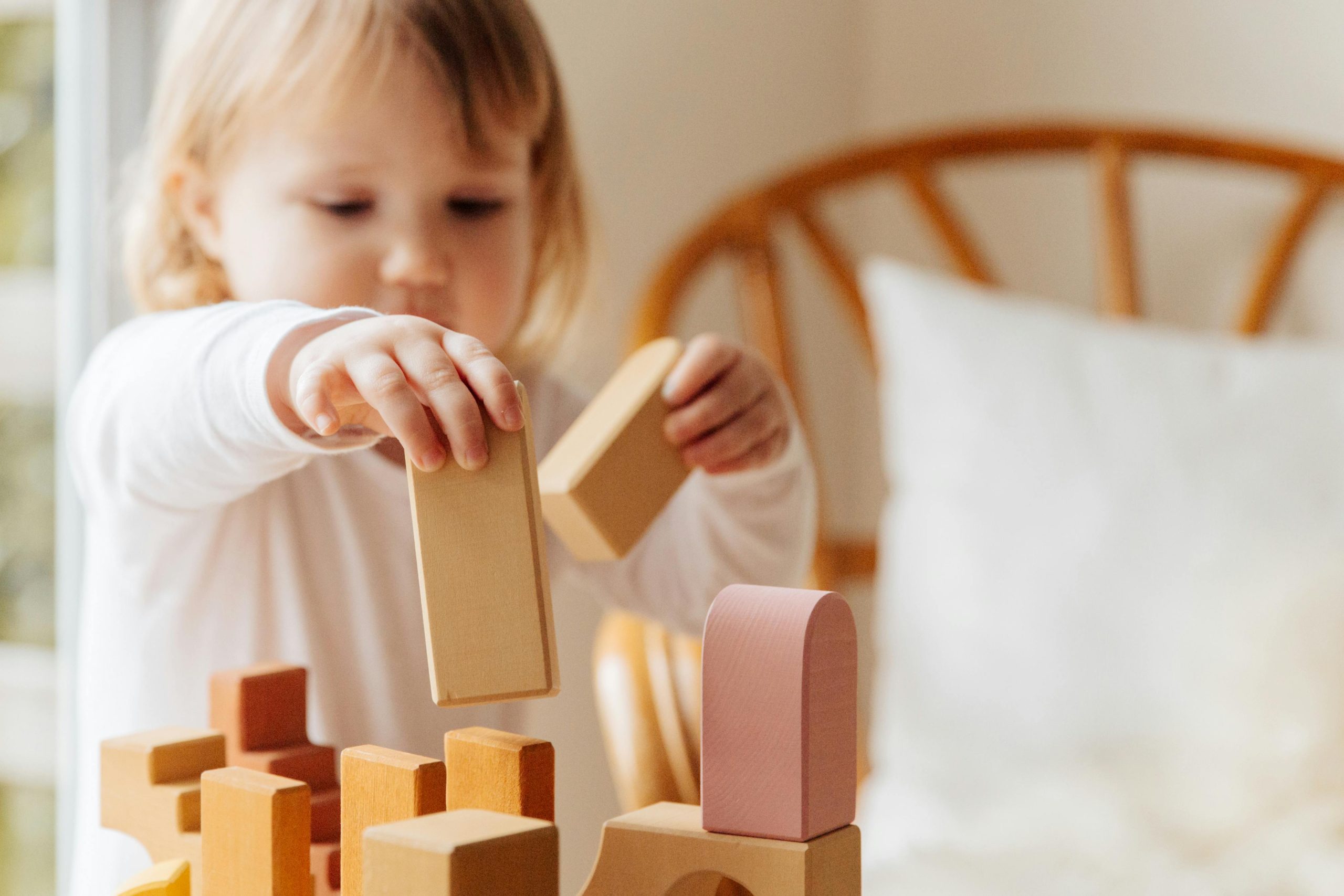
The months before school start are precious preparation time. Here’s how you can build school-ready skills during everyday moments at home.
Building Independence
Independence might be the most important school-ready skill, and home is the perfect place to develop it.
Start with self-care routines. Let your child dress themselves, even when it takes longer or the outfit looks unusual. Teach them to manage bathroom needs independently, including wiping, flushing, and washing hands thoroughly.
Build food skills by having them practice opening lunch containers, unwrapping sandwiches, and peeling fruit. School lunchtimes are short, and teachers can’t help everyone open their food.
Encourage them to carry and unpack their own bag. This simple habit builds responsibility for belongings – crucial when they need to keep track of jumpers, hats, and books at school.
When problems arise, resist rushing to help. Ask “What could you try?” instead of immediately fixing things. This builds problem-solving skills and resilience they’ll need at school.
Remember that independence develops through practice. The more chances they have to do things themselves, the more confident they’ll become. Yes, it takes longer now, but the time investment pays off when they start school.
Most importantly, celebrate their efforts, not just perfect results. The crooked buttons and messy hair are signs of growing independence – exactly what they need for school success.
Establishing Predictable Routines
School runs on routines, and children who understand routines at home adjust more easily to school structures.
Morning routines matter most. Create a consistent wake-up time, breakfast routine, and getting-ready sequence. Visual charts can help younger children remember the steps: clothes, teeth, breakfast, shoes, bag.
Practice school-day timing a few weeks before term starts. How long does your child take to get ready? Build in extra time for the inevitable slow mornings.
Establish after-school routines now, before school begins. Will they have a snack first? Rest time? Play time? Having this structure ready reduces stress during those exhausting first weeks.
Bedtime routines become even more important when school starts. School-age children need 10-12 hours of sleep to learn effectively. Start adjusting bedtimes early if needed.
Meal routines build school-ready skills too. Practice sitting at the table until everyone finishes, using proper utensils, and cleaning up afterward – all expectations they’ll face at school.
The beauty of routines is that they reduce anxiety by creating predictability. When children know what happens next, they feel secure and can focus their energy on learning instead of wondering what’s coming.
Creating Rich Language Environments
Language forms the foundation for all school learning. The words your child hears at home shape their reading and writing success later.
Reading together daily builds vocabulary, comprehension, and a love of books. Even 10 minutes makes a difference. Talk about the stories, ask questions, and let them predict what might happen next.
Everyday conversations build language too. Discuss what you’re doing while cooking, shopping, or driving. Use specific words: “I’m whisking the eggs” teaches more than “I’m mixing this.”
Ask open-ended questions that need more than yes/no answers. “What was your favourite part of the day?” encourages more language than “Did you have fun?”
Play word games during daily routines. “I spy something that starts with B” or “Let’s think of animals that begin with S” build phonemic awareness – hearing the sounds in words.
Limit background noise from TVs and devices during conversation times. Children learn language best when they can clearly hear and focus on what’s being said.
The richness of your home language environment directly impacts your child’s school readiness. Children who hear varied vocabulary, complex sentences, and lots of conversation develop stronger literacy skills.
Most importantly, follow your child’s lead in conversations. When they show interest in a topic, expand on it. These engaged discussions build both language skills and a connection with you.
Connect With Little Big People
Ready to partner with educators who genuinely value family input and collaboration?
Visit us at 56 Durella Street, Durack, and see how we create strong partnerships with families throughout the school transition journey.
Give us a call on 07 2111 4187 or email enrolmentsdurack@www.littlebigpeople.com.au to arrange a tour. We’re open Monday to Friday and would love to discuss how we can support your child’s journey to school readiness.
Check out our website at www.littlebigpeople.com.au to learn more about our kindergarten program, our partnership approach, and our commitment to supporting families through this significant transition.
Because preparing children for school isn’t something we do to families—it’s something we do with families.
Let’s partner together to give your child the confident, capable start they deserve.
Recommended Resources on School Transition and Home-School Partnership
Queensland Education Resources:
-
Queensland Department of Education – Transition to School
https://www.qld.gov.au/education/earlychildhood/school/starting
Official Queensland resources on school transition, including the Statement Process and parent guides. -
Queensland Kindergarten Learning Guideline
https://qklg.qld.gov.au/
Framework showing what children learn in kindergarten and how it prepares them for school. -
ACECQA – Partnerships with Families
https://www.acecqa.gov.au/
National quality framework resources on effective family-educator partnerships.
Home-School Partnership Research:
-
Raising Children Network – Starting School
https://raisingchildren.net.au/school-age/school-learning/starting-school
Evidence-based guidance on supporting school transition at home and partnering with educators. -
Early Childhood Australia – Family Partnerships
https://www.earlychildhoodaustralia.org.au/
Professional resources on building effective partnerships between families and early learning services. -
KidsMatter – Transition to School
https://www.kidsmatter.edu.au/
Mental health focus on supporting children’s emotional wellbeing during school transition.
Practical Support for Families:
-
Australian Parenting Website
https://parentingstrategies.net/
Practical strategies for building school readiness skills at home. -
Emerging Minds – School Transition
https://emergingminds.com.au/
Child development resources on supporting children through major life transitions.
Communication and Partnership:
-
Goodstart Early Learning – Parent Partnership
https://www.goodstart.org.au/
Resources on effective communication between families and early learning educators. -
The Conversation – Education Research
https://theconversation.com/au/education
Academic research on school readiness and home-school partnerships in accessible language.
These resources support effective partnerships between families and educators throughout the school transition journey.